
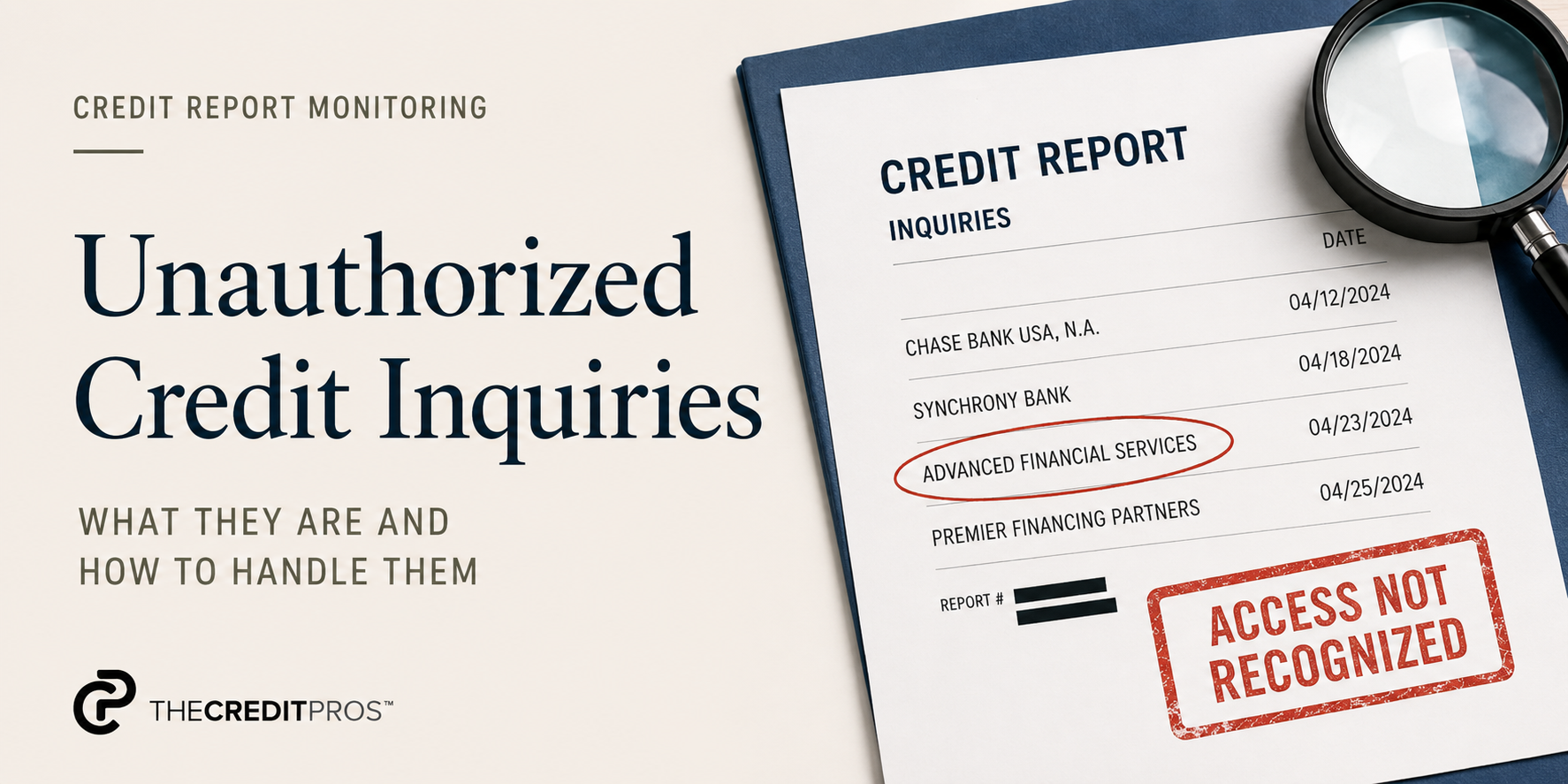
Most people do not look at their credit reports expecting to find anything strange. They are usually checking a balance, a score change, or an account update. Then they spot a company name they do not recognize, and the concern sets in fast. That reaction is fair. Unauthorized credit inquiries can be more than a small reporting issue. In some cases, they are the first visible clue that your personal information was used without permission.
That is why it helps to slow down and review the details instead of assuming it is nothing. A single inquiry may come from a lender you recently contacted, a dealership that sent your application to multiple banks, or a financing partner whose name looks unfamiliar on a report. Even so, unauthorized credit inquiries deserve attention any time you cannot clearly connect them to something you knowingly requested.
What Counts as an Unauthorized Inquiry?
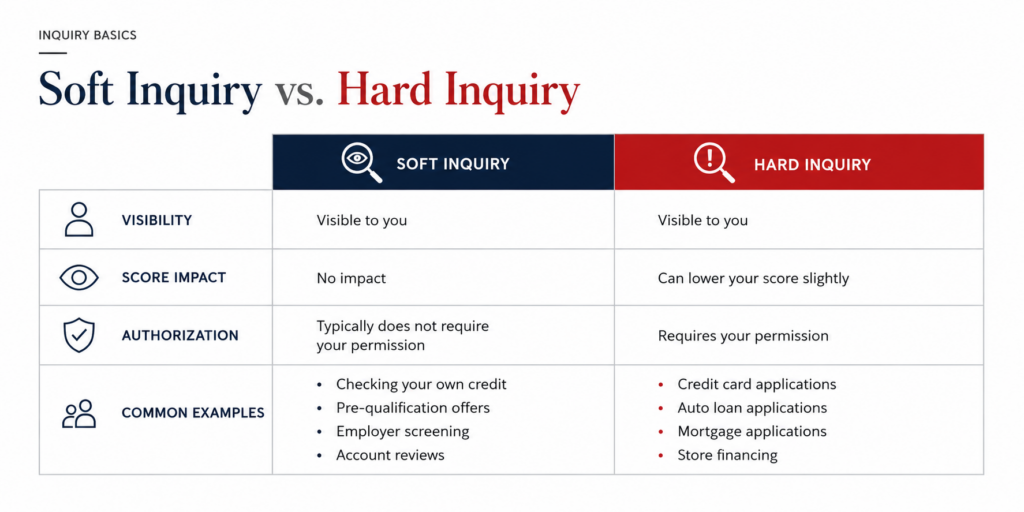
A credit inquiry appears when a business accesses your credit file. Some are soft inquiries, which usually happen when you check your own credit, get prequalified for an offer, or go through certain background screenings. These do not affect your score. Hard inquiries are different. They are linked to an actual application for credit and may lower your score slightly. In most situations, unauthorized credit inquiries refer to hard pulls or similar access you did not request or approve.
Not every unfamiliar entry is a crisis. A bank may appear under a parent company name, and a store card application may be processed through a lender you did not notice at checkout. Still, unauthorized credit inquiries should not be brushed aside just because there may be an innocent explanation. The goal is to verify, not guess.
Why They Matter More Than People Think
One hard pull alone usually does not wreck a score. The bigger concern is the pattern around it. Several unauthorized credit inquiries in a short period may make it look like you are actively seeking new credit when you are not. More importantly, they can be an early sign of identity theft, because fraud often starts with testing a stolen identity before a full account is opened.
That is why unauthorized credit inquiries matter even when the score impact seems minor. Yes, the points lost may be small. But access and accuracy matter too. If the entry is wrong, it should be corrected. If it is fraudulent, you want to catch it before it turns into a much larger problem.
How to Handle the Problem the Right Way
Start by checking whether the inquiry is truly unfamiliar or simply poorly labeled. Think through recent activity carefully. Did you apply for store financing, ask for a loan quote, submit a rental application, shop for a car, or fill out a prequalification form? If the answer is no and the name still means nothing to you, gather the details from your credit reports. Note the company name, the date, the bureau, and whether the inquiry is hard or soft.
Next, contact the company that made the inquiry. Ask why your credit was accessed and what authorization they have on file. Keep the message direct. If they cannot explain the inquiry or provide proof of permission, ask them to remove it and send written confirmation. Many people skip this step, but it can sometimes resolve unauthorized credit inquiries faster than filing blind disputes first.
When It Might Be Identity Theft
After contacting the lender, dispute the entry with the bureau reporting it. Explain that the pull was not authorized and include any supporting details you collected. Keep copies of every letter and response. Documentation matters because unauthorized credit inquiries sometimes connect to a broader issue, and a clear paper trail makes later disputes much easier to manage.
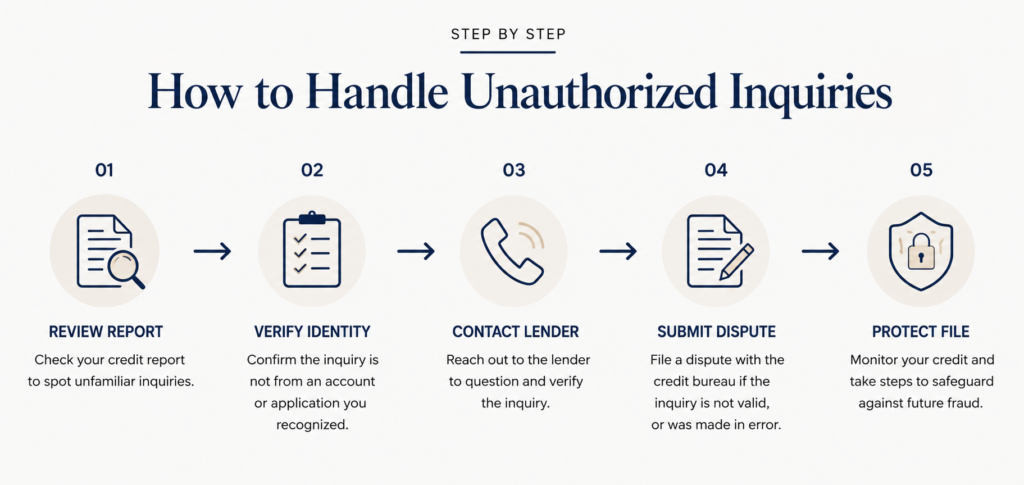
If you also notice unfamiliar addresses, new accounts, or collection notices, treat the situation more seriously. Multiple unauthorized credit inquiries alongside other red flags may point to identity theft instead of a simple reporting error. In that case, place a fraud alert on your file or freeze your credit while you investigate further.
The Bottom Line
Some unauthorized credit inquiries turn out to be harmless confusion caused by lender naming or partner processing. Others are not harmless at all. The best response is not panic. It is organized follow-up. Review the details, ask questions, dispute what is inaccurate, and protect your file if something feels off.
At the end of the day, unauthorized credit inquiries deserve timely attention because they can reveal more than a line item on a report. When you respond quickly and keep good records, you give yourself the best chance to remove the wrong inquiry, stop further misuse, and keep a small issue from becoming a much larger one.